
A Sacred Shamanic &
Preparation
Rapé is a sacred shamanic preparation traditionally used by indigenous Amazonian tribes. It is not simply a substance — it is a tool that is traditionally engaged with through intention, breath, and connection. Rapé is a mixture of finely ground tobacco plants combined with other medicinal herbs, bark, and natural elements. Each blend varies depending on the tribe, lineage, and intended purpose. Preparation methods include grinding in wooden mortars or clay vessels, following traditional techniques passed down through generations.
It Begins with Breath
In traditional contexts, Rapé is not used as a form of inhalation or "snorting." Instead, it is administered through a process of blowing, which is central to its practice and meaning. Breath is considered a carrier of intention and energy — the act of blowing is seen as an intentional transfer rather than a mechanical application. In both Kuripe and Tepi use, the breath is not merely physical, but symbolic of awareness, presence, and relational exchange.
The Two Applicators
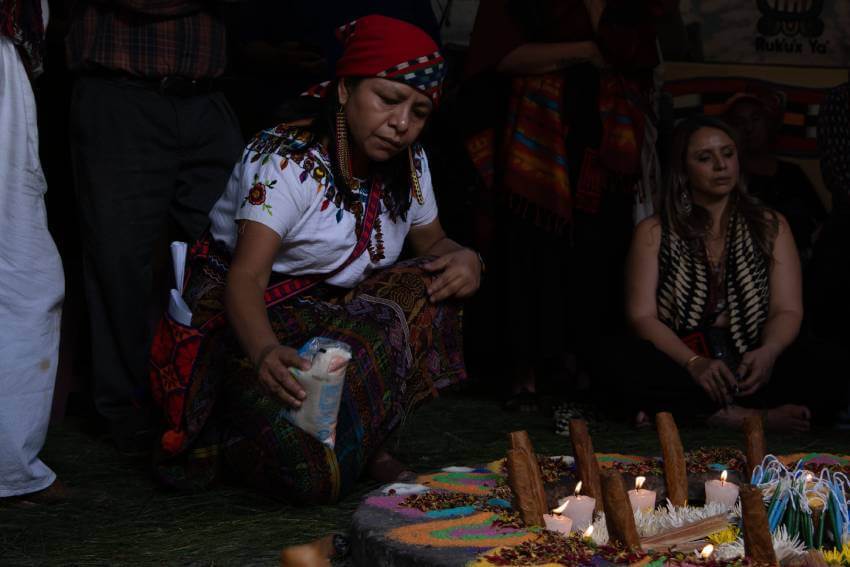
Two sacred tools, each with their own role — one turned inward, one extending outward. Together they form the full practice.
 Self-Applicator
Kuripe
Self-Connection
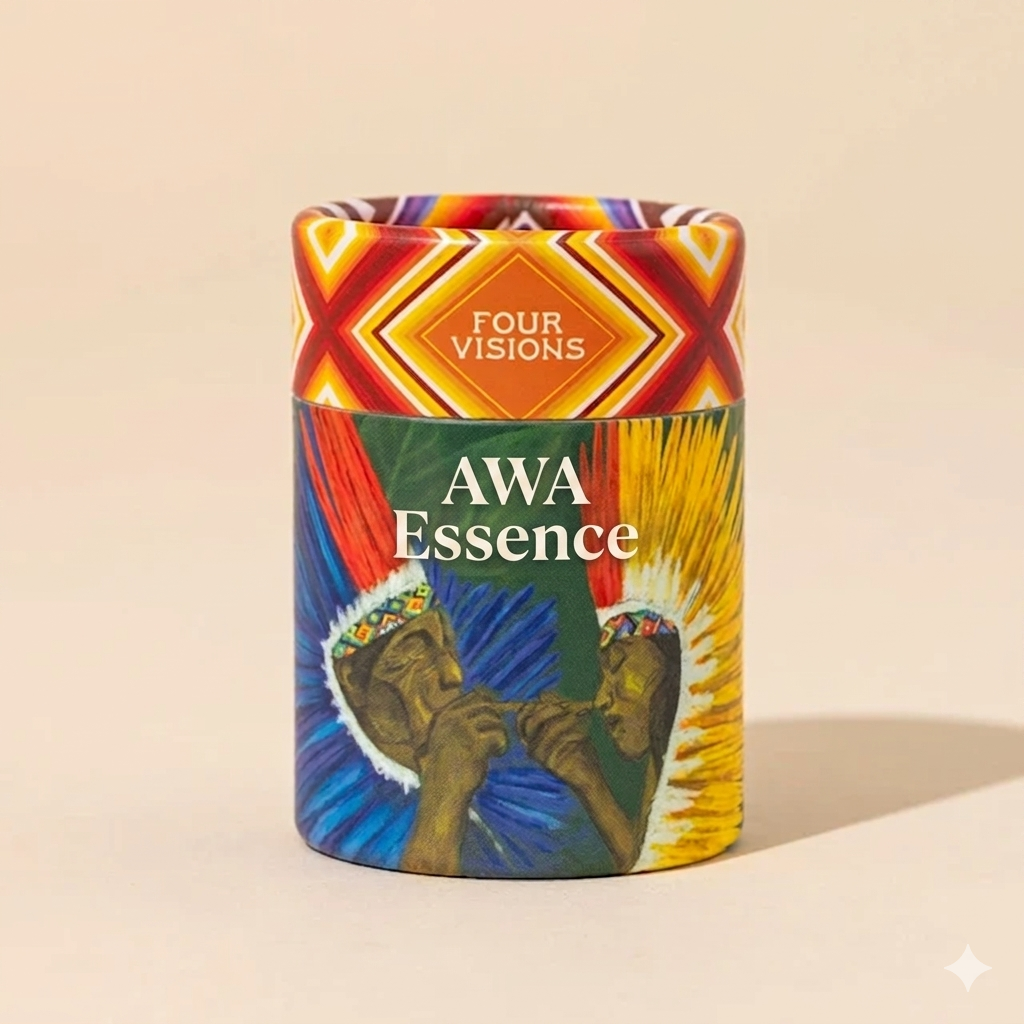
A Kuripe is a self-applicator used to administer Rapé to oneself. It represents self-connection, grounding, and personal intention through one's own breath. When you use a Kuripe, the intention and energy come from within.
- V-shaped pipe — nostril and mouth in one hand
- Breath-powered by the practitioner themselves
- Personal ceremony, solitary ritual, inner work
 Shared Applicator
Tepi
Relational Exchange
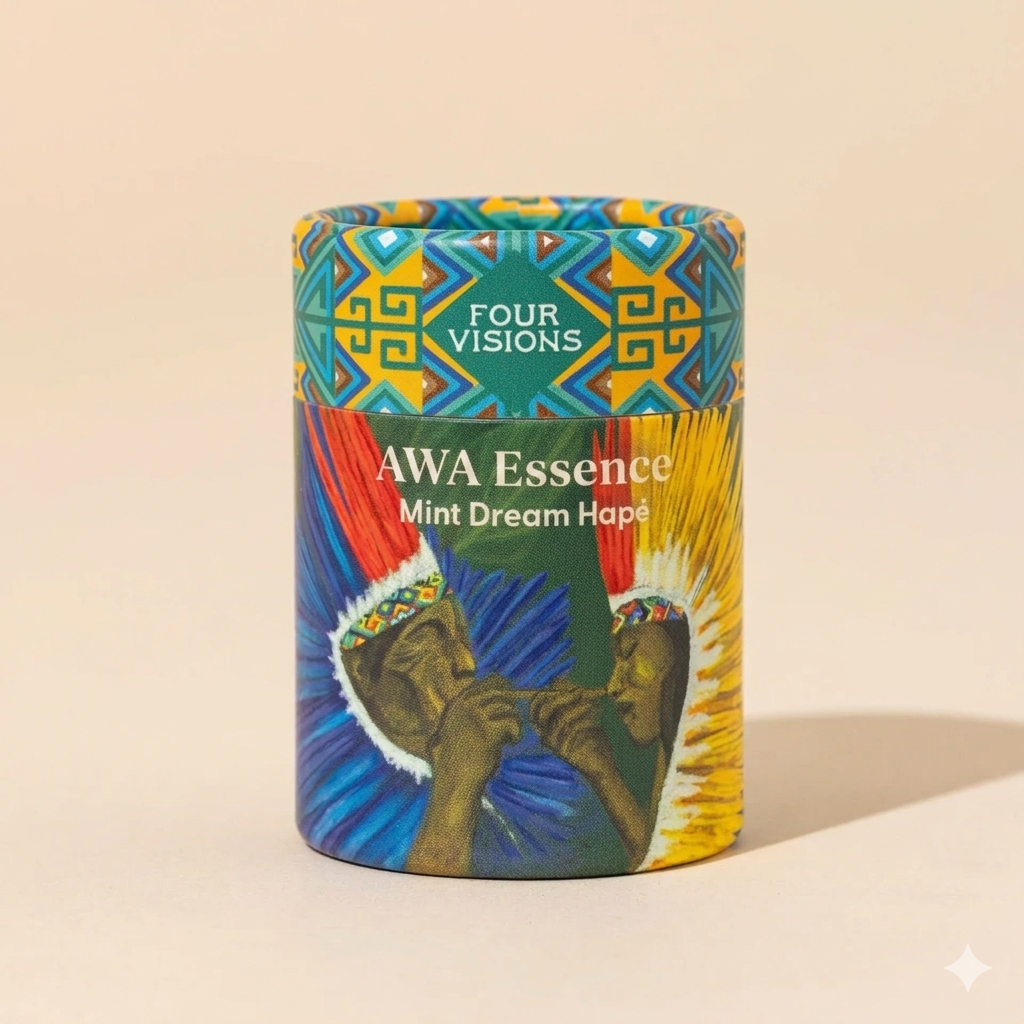
A Tepi is a longer applicator used between two individuals. It is traditionally used by a practitioner or guide to administer Rapé to another person, symbolizing the transfer of intention, presence, and energetic alignment between people.
- Elongated pipe spanning practitioner and recipient
- Breath and intention are given, not self-directed
- Ceremony, group work, energetic transmission
Cultural Role of &
Ceremony
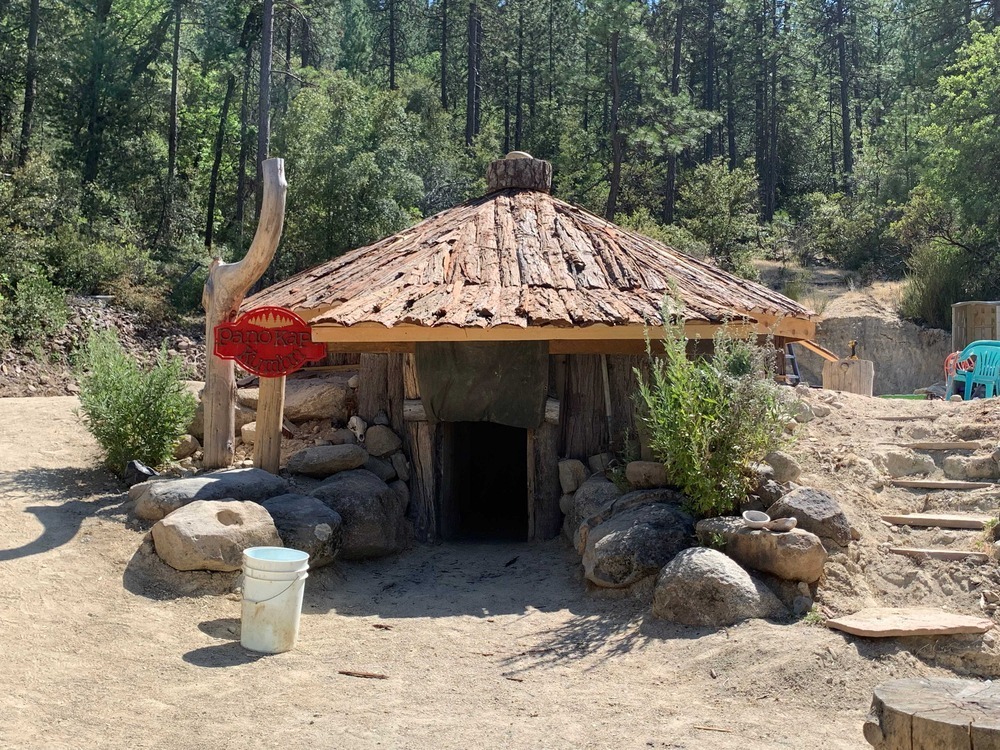
Rapé is traditionally used within ceremonial or intentional settings, often accompanied by prayer, reflection, or guidance. Its use extends beyond the material preparation itself, emphasizing the relational and spiritual context in which it is shared.